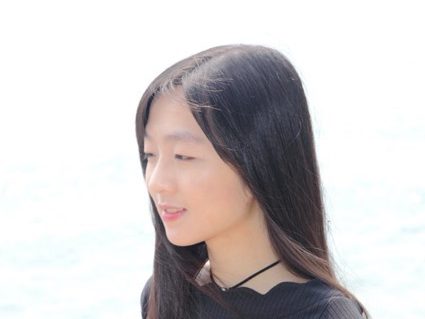
Ka Hei Cheng

Multimedia artist, composer, educator, and researcher
Manifesto
I am an interdisciplinary artist-researcher working at the intersection of generative arts, experimental music, spatial audio, and Chinese calligraphic embodiment. Rooted in my background as a composer, performer, and technologist, my practice blends Eastern philosophical aesthetics with contemporary digital systems, transforming gestures, language, and data into multisensory experiences.
My creative work seeks to reimagine the temporal and spatial structure of language through interactive performance systems. Projects like Phantom of Utopia explore the transformation of Chinese calligraphy into four-dimensional audio-visual environments, using motion tracking, AI-driven sonification, and immersive media to bridge tradition and innovation. These works interrogate how sound and movement can become tools for storytelling, cultural reflection, and collective imagination.
I approach technology not as a tool but as a collaborator: building custom instruments, generative systems, and extended reality environments that respond to and evolve with human expression. I have led interdisciplinary teams across choreography, visual design, animation, computer science, and music, always seeking to foster shared authorship, experimental inquiry, and poetic form.
In both research and performance, I aim to challenge binaries: ancient and futuristic, analog and digital, composed and improvised. My work is driven by the belief that art can sonify the unseen, spatialize the abstract, and give voice to the culturally entangled narratives often overlooked in tech-driven fields. Collaboration, hybridity, and cultural resonance are at the heart of what I create.
Biography
Ka Hei Cheng graduated from her PhD in Music (Experimental Music and Digital Media) at Louisiana State University, and she studied at Education University of Hong Kong, Hong Kong Baptist University, and Bowling Green State University. Born and raised in Hong Kong, Cheng approaches a diversified culture and philosophy that extend her musical dimensions and nourishes a similarly diverse approach to her artworks by “brush strokes” with sonic palette. She has composed different genres of music, including music jingles, music for animation, tailor-made event music, electroacoustic music, and acoustic composition with or without programming. Her piece, The Trigger Machine was performed in the Earth Day Art Model 2020, which was organized by IUPUI. Her works were accepted by the Exchange for Midwestern Collegiate Composers, and she has written music pieces for the Screen Music Program and the Collaborative Composition Initiative (CCI). One of her works was recorded in a CD, CCI//Sessions, vol. 2. In 2020, she wrote a chamber orchestral piece, Nibiru, for the Cleveland Chamber Symphony and she was commissioned to write a commercial promotional music for the video from the CNA Group. Her work, The Entangling Turner and COVID-19 Genomic Navigator, was performed in NIME 2021 and 2022 (The International Conference on New Interfaces for Musical Expression) and was presented in ICAD (International Community for Auditory Display). She was the presenter and the project developer of her research papers related to data sonification in NIME, ICAD and NYCEMF. She hosted a 40-minute presentation on Weather Reporting and Sonification in NYCEMF in 2022. Apart from data sonification, she has been developing projects in digital fabrication, extended reality, motion tracking and EEG sensors. She has written pieces for laptop orchestras, and one of her pieces, “Who is the Leader?”, was commissioned by the EdUHK. Recently, she collaborated with three other artists in the project, “Shifting Datum” and the work was displayed in Contemporary Arts Center of New Orleans. She also collaborated with two other professors in a project called, Contingent Dream, which adopts a collaborative robot to draw an algorithmic composition derived from audio recordings, rendering the sounds of the city in sumi-e ink will be presented in TEI2023 (17th International Conference on Tangible Embedded and Embodied Interaction). In her spare time, Ka Hei enjoy painting, cooking, watching movies, and playing piano.
Phantom of Utopia I: The Emergence
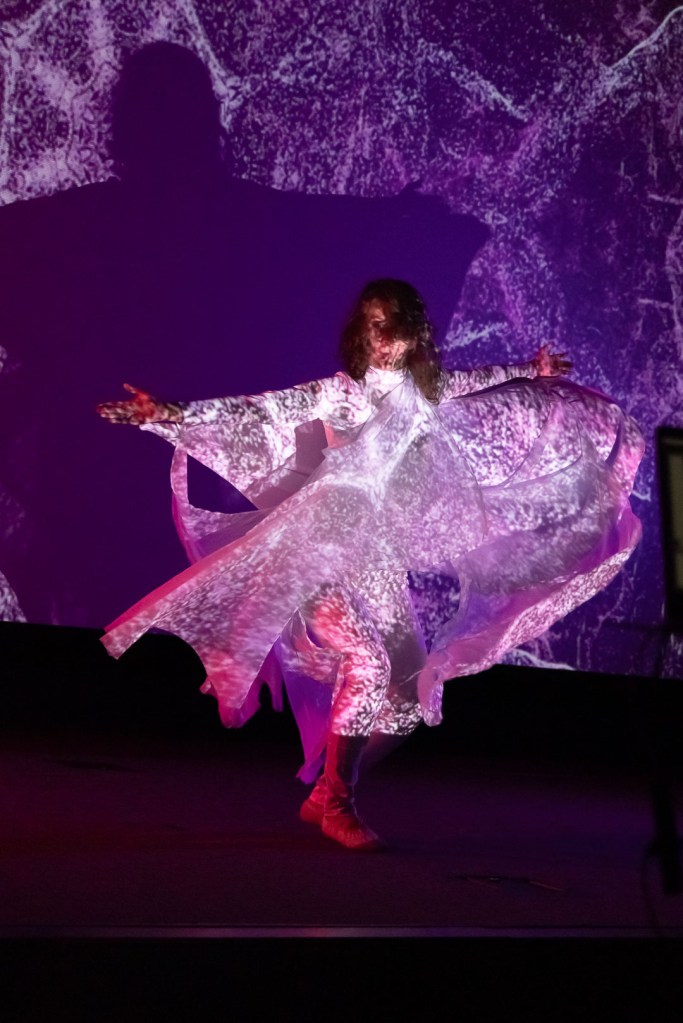
Phantom of Utopia is a set of pieces created with my PhD dissertation.
The pieces encompasses a generative arts system that utilizes “Peach Blossom Spring,” a poem by Tao Yuan-ming dating back to 421 CE, as a demonstrative focal point.
The first movement is a prelude that offers narrative background of the socio-political background of the story through a third-person perspective from a fisherman. During the Jin dynasty, Xuanxue (玄學), a metaphysical post-classical Chinese historical philosophy, was prevalent, and it encapsulates Confucianism and Taoism. The choreographic design and artistic choices are all influenced by the beliefs.
Phantom of Utopia II: The Convergence
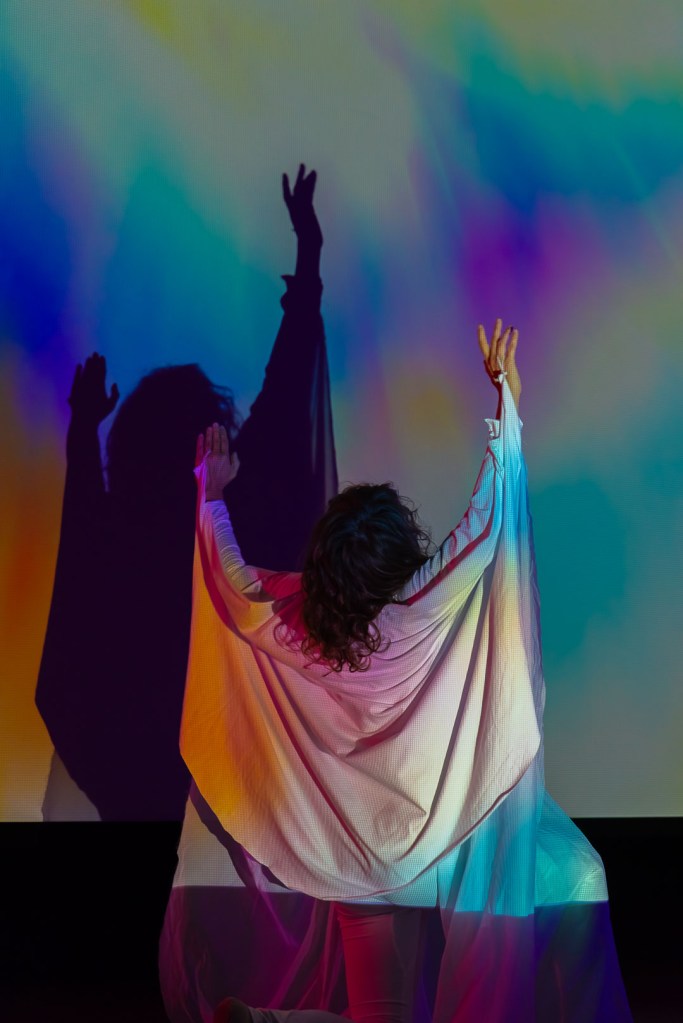
The unresolved juxtapositions with the brief taste of resolution in the first movement was intentional as there is two interpretation of the story: 1) the fisherman visited an utopian world, 2) he did not travel to utopia, but to a traditional Chinese graveyard.
The second interpretation navigates the realm of living and afterlife within the imaginative realm of the fisherman, which is encapsulated within the realm of extended reality, like the unfolding of the matryoshka dolls, except the fact the three layers of unfolding realms are not getting small and smaller. Instead, it opens a vase and unlimited dimensions and possibilities yet to explore.
Phantom of Utopia III: The Divergence
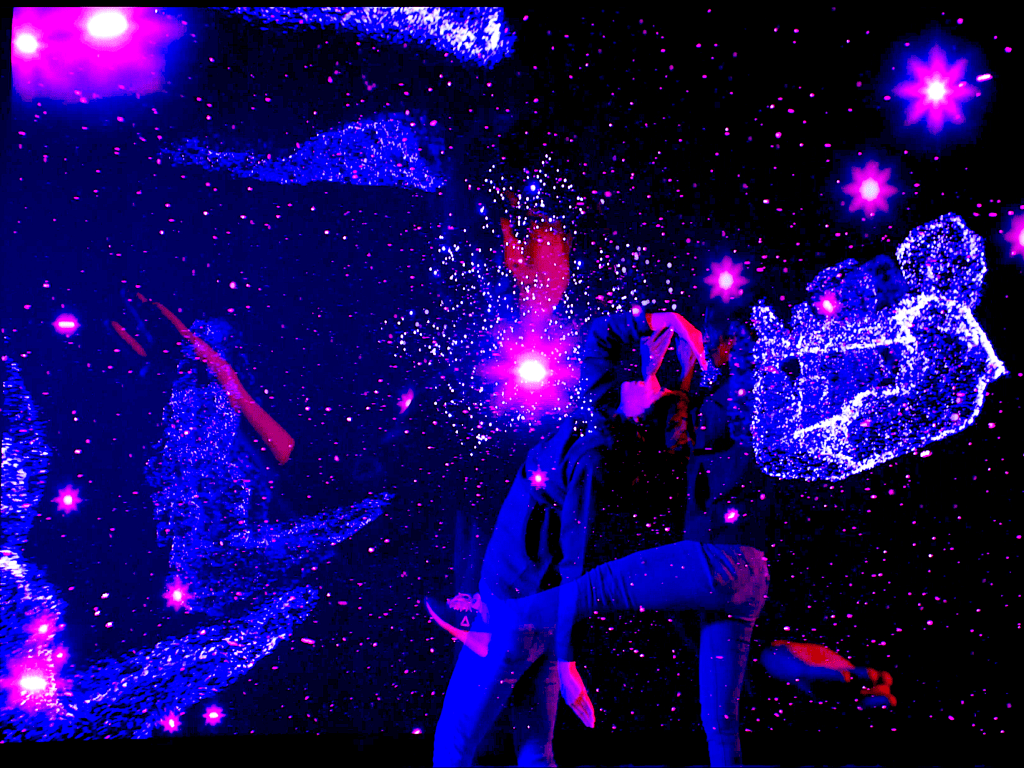
Phantom of Utopia III describes the journey where the fisherman chanced upon an isolated utopia unaware of the contemporary’s norm and realities of the outside world. Subsequent endeavors to locate this ethereal utopia fail, leaving it a tempting fascination and ultimately an elusive mythical legend for future generations. The exploration of pursuing the utopian world is continued with extending the reality of literary portrayal in the realm of “Peach Blossom Spring”.
PhoeniX
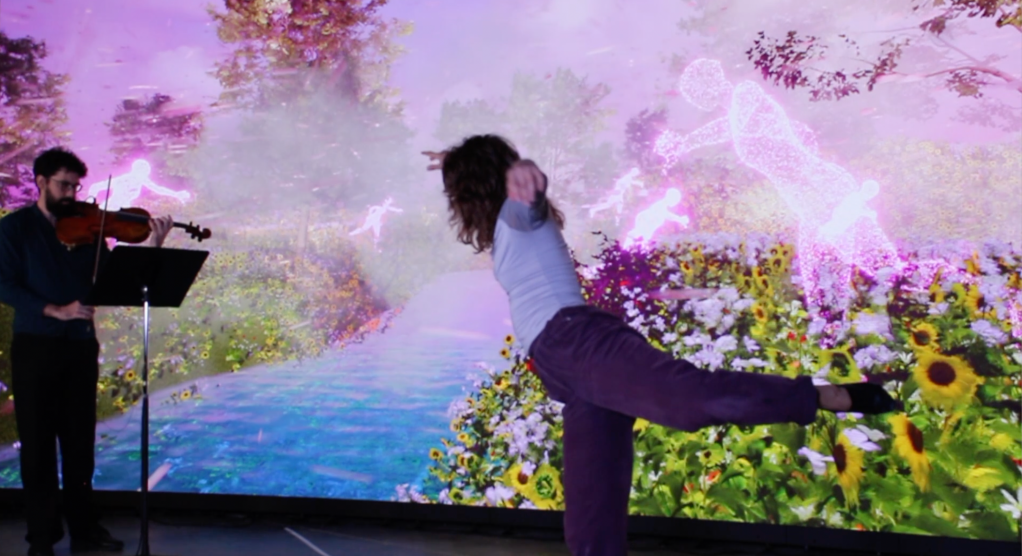
The performers (one musician and one dancer) will start their journey in a dark void, until they start playing sound and music, which triggers the creation of particles, objects and humanoid creatures in different worlds. From here, they visit different environments, in each one of them they will face some challenges related to sound and movement, amongst the eternal fight of good versus evil.
Dry
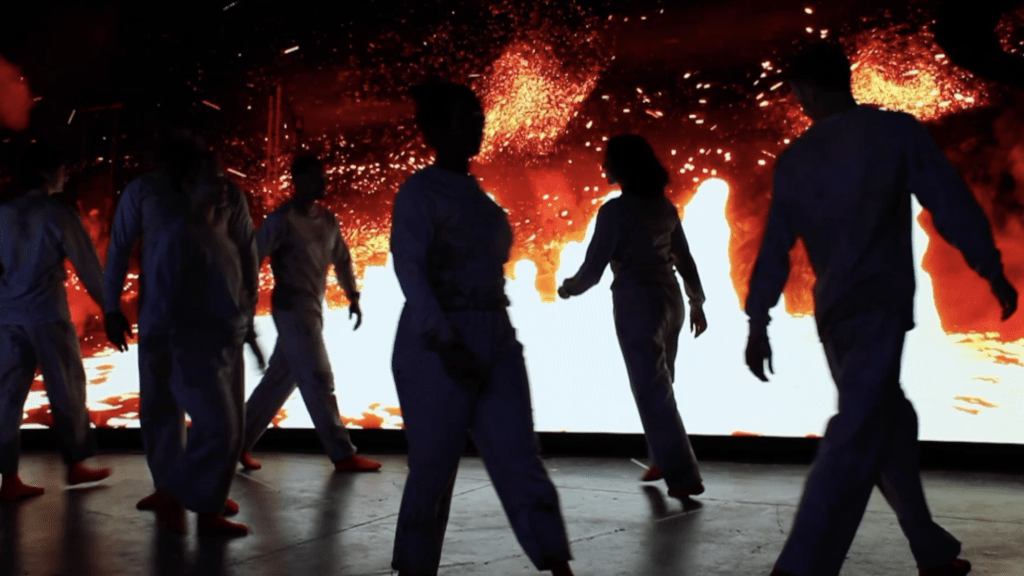
The project adopted a Brazilian music, carcará, that is amplifying the messages of poverty and drought in the north east of Brazil. Carcara is an eagle that would kill other animals to feed itself cruelly and disregard the poor environment in the surrounding. It expresses the exploitation of the higher hierarchy to the poor and more fragile creatures on earth.
COVID-19 Genomic Navigator
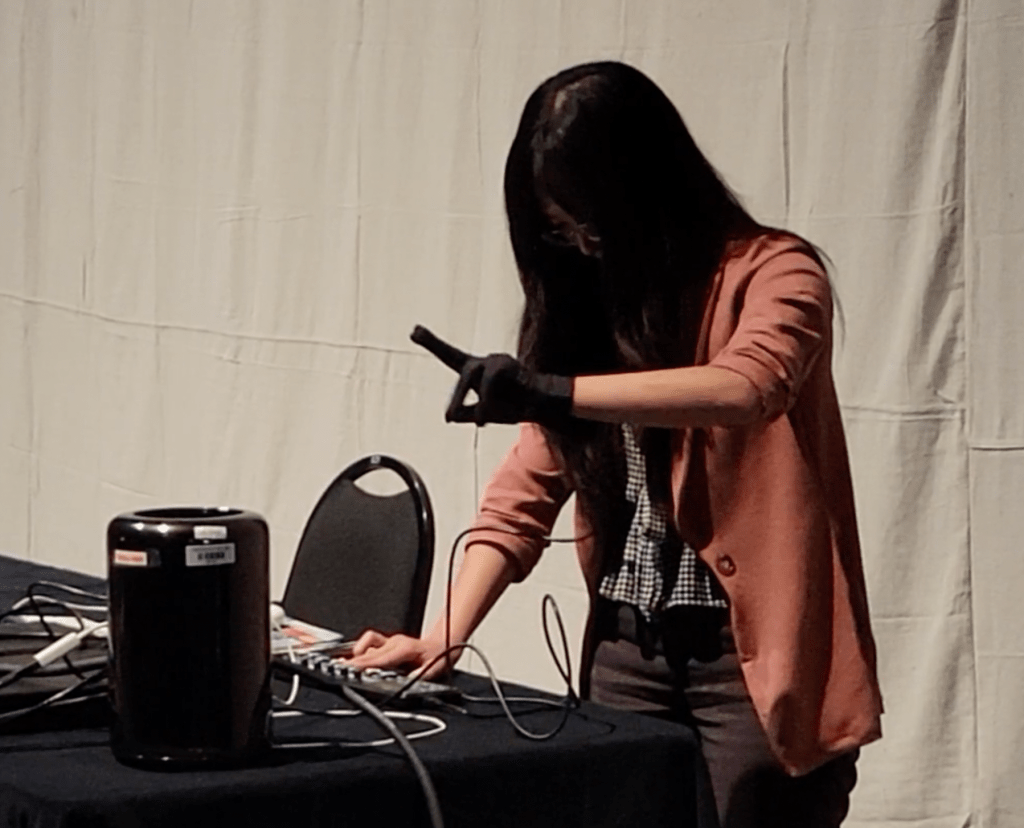
Gesture recognition and dynamic time warping (DTW) of the motion sensing glove are used to perform machine learning and to catalyze the sonification of the interaction between the different protein data.
Contact
Contact kaheicheng13@gmail.com to get in touch or share your ideas.

Ka Hei Cheng
A performing artist, researcher, composer and educator
 Ka Hei Cheng